Kyiv · Licensed PMU artist · Est. 2014
A permanent makeup consultation is a paid, documented appointment. We map your goals, walk through warm, neutral and cool pigment families, and give you time to think before any needle is prepared.
02
Four straight answers, set out before you book anything.
Full protocol, decline criteria, and consent detail: consultation protocol.
03
No pigment is mixed and no needle is opened until the goal interview, the style choice, the pigment family and the signed consent sit in the same written record.
Twenty minutes of questions come before anything else. We ask what you want the healed result to look like in two years, not on the day of the appointment. Medical history is reviewed in full: keloid scarring, active isotretinoin, pregnancy and breastfeeding, unhealed or infected skin, and any expectation of a permanent result.
Natural hair-stroke, powdery shading or lip blush, each described by outcome and by fade behaviour so you choose how the work ages rather than how it photographs on day one. The shortlist is drawn from your face structure, skin type and how much daily upkeep you actually want.
Warm, neutral and cool pigment families are compared against skin, not against a printed chart. Undertone decides the match, the same pigment heals differently on two clients, and the expected fade band is written into your file before the appointment is booked.
Written consent, the touch-up window and the first fourteen days of aftercare are covered before you leave the room. You take away the session dates, the pigment family used and the maintenance interval in writing, plus the reasons treatment would be declined.
04 / Pigment
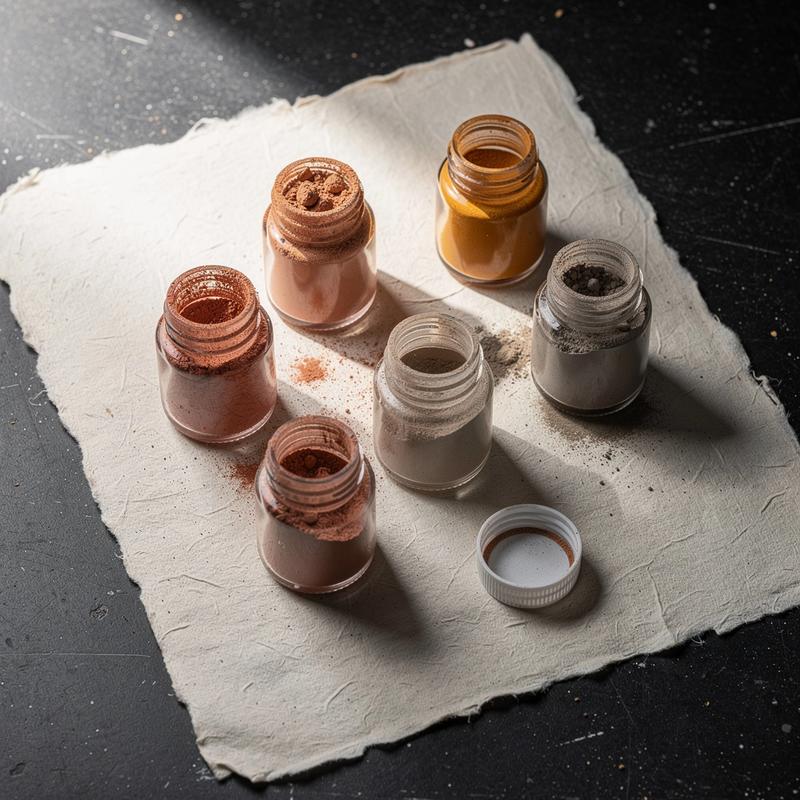
Six specimens across three families. The same warm brown heals one shade on a cool undertone and another on a golden one.
Warm family
Golden on olive skin; pulls orange after a heavy summer.
Fade band 18–24 months
Warm family
Red-based; first to warm up on a cool undertone.
Fade band 14–20 months
Neutral family
Balanced, low red. Default for a first brow set.
Fade band 18–24 months
Neutral family
Soft balance; a second session deepens it.
Fade band 16–22 months
Cool family
Grey-leaning; holds shape on ashy bases.
Fade band 20–26 months
Cool family
Cool grey; a modifier, never placed alone.
Fade band 22–28 months
Fade bands are observed ranges from studio records, not guarantees. No pigment is chosen before the consultation. How style and pigment are chosen Healing timeline
05
Colour settles over weeks, not days. These are the six checkpoints we ask every client to watch.
Day 0
Pigment sits on the surface. Lines read up to 40% darker and bolder than the healed result will.
DoKeep the area dry and uncovered for 24 hours. No makeup, sport, sauna or direct sun.
Day 3
A light film forms and the first flakes lift. The skin is closing, pigment is not leaving.
DoCleanse with lukewarm water, pat dry. Do not pick, scratch or exfoliate.
Day 7
Flaking finishes and colour drops to a pale ghost tone. Almost every client asks what went wrong here. Nothing has.
DoUse balm only if the skin feels tight. Skip pools, steam rooms and sun.
Day 14
Pigment returns through the new epidermis. Coverage looks uneven while the skin is still renewing itself.
DoNo tinting, lash lifting or peeling treatments over the treated area.
Day 30
True tone becomes readable. Warm, neutral or cool behaviour now shows against your own undertone.
DoPhotograph the area in daylight and note what you would like adjusted.
Week 6 check
Skin turnover is complete and the result is stable. This is the only honest moment to judge saturation and symmetry.
DoAttend the six-week check. A touch-up is booked only where it is actually needed.
Contact the studio the same day if you see spreading redness with heat, swelling that grows after day three, a fever or blistering. Other questions can wait for the six-week check. Full aftercare and decline criteria are set out in the consultation protocol.
06
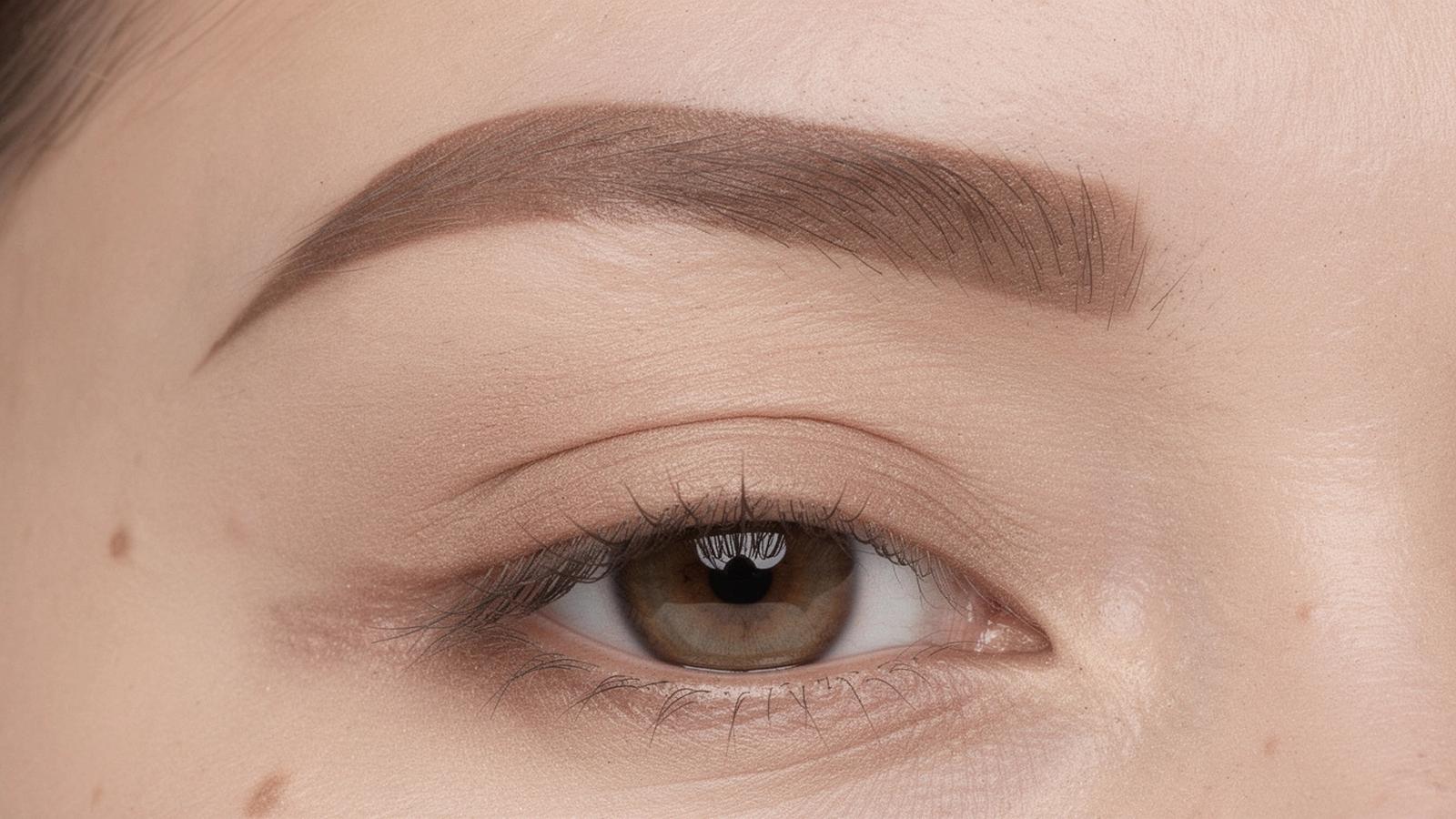
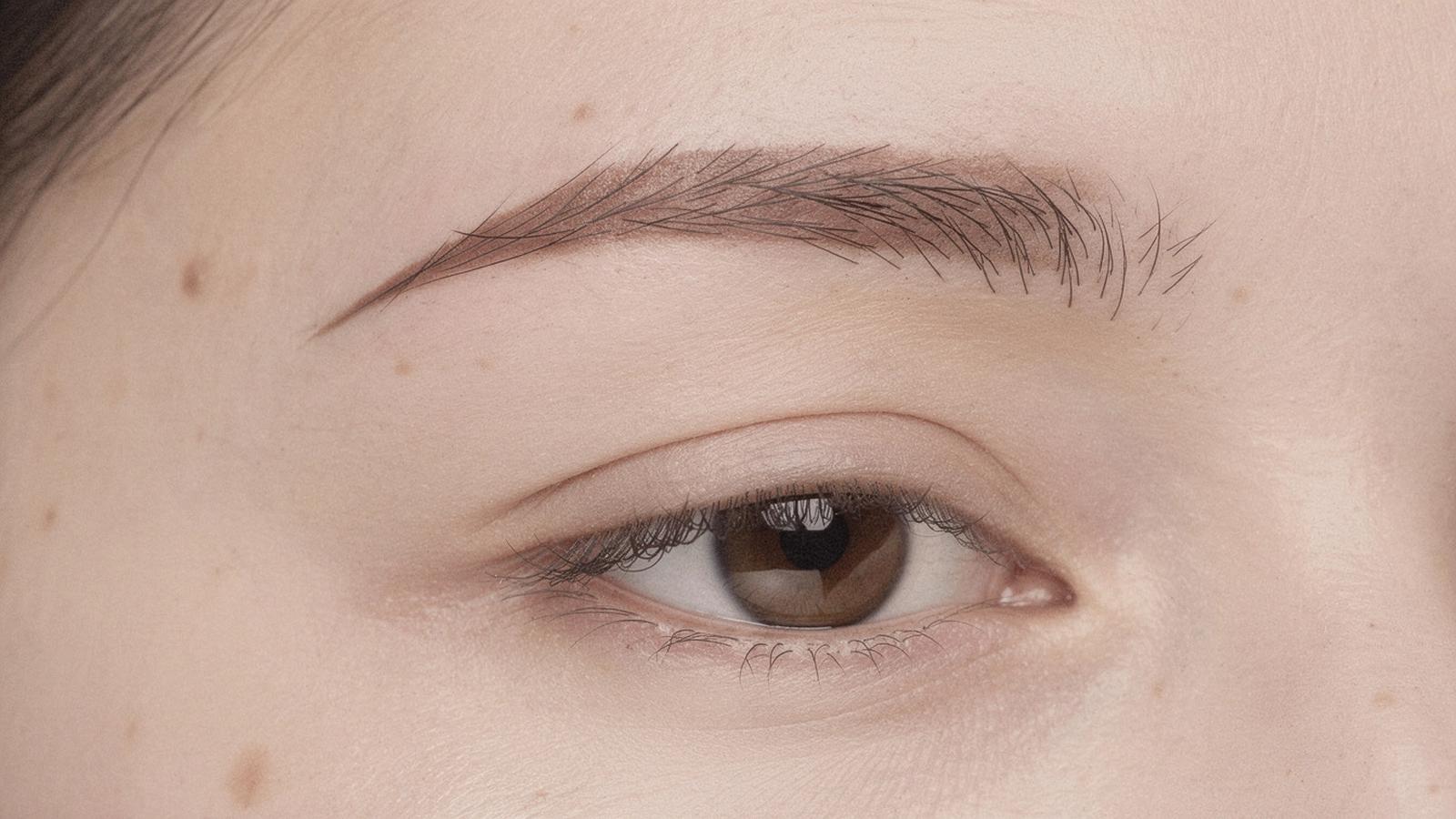
Two states of one healed result, shot in the same light. Drag the divider to compare.
Before
After
Published with written client consent. Pigment softens as it settles and a refresh is usually needed within 12 to 24 months; fade and healing differ from client to client. See how pigment families behave.
06
What you can ask to see before a needle is opened, and what the written record for every appointment contains.
These documents describe studio practice. They do not replace a medical assessment, and the studio declines treatment where a health condition makes it unsafe.
08 / Contact
A paid, documented consultation comes first, every time. You leave with a written style and pigment plan, not a booking pressure.
Permanent makeup is semi-permanent. Colour softens, undertone shifts, and a refresh session is the rule rather than the exception. We say so before you book.